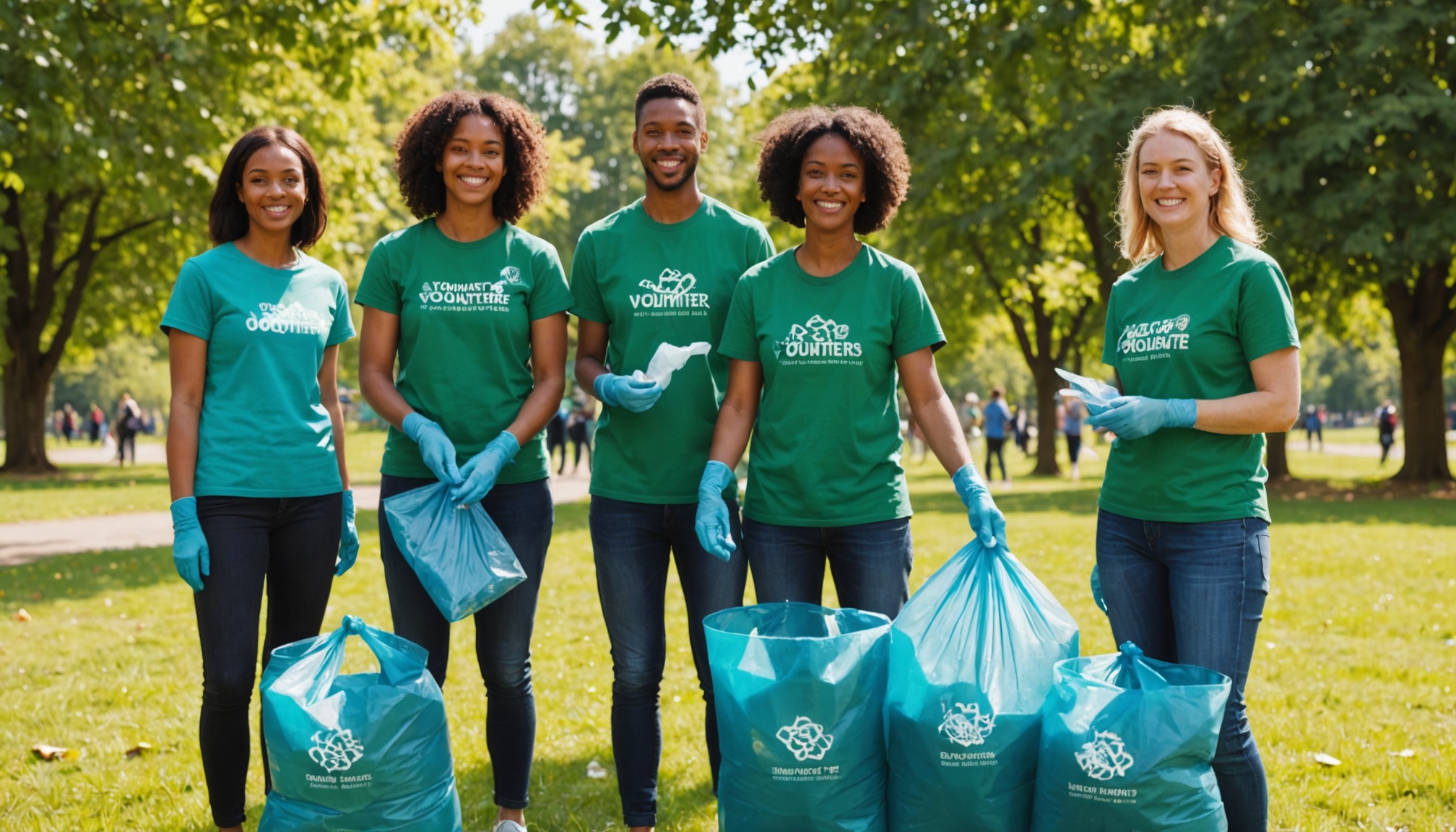
This weekend, hundreds of trash collection operations are taking place across France for World Cleanup Day, a global citizen event known worldwide by that English name. From Toulouse to Rennes, by way of Perpignan, Versailles Grand Parc, and the Hauts-de-France region, volunteers, local governments, businesses, and associations are combing through parks, riverbanks, and commercial areas to remove tons of abandoned trash.
A Movement Born in a Small Baltic Country
Few participants know it, but this planet-wide mobilization has its roots in Estonia. It was there, about fifteen years ago, that the Let's Do It! movement was born, organizing a nationwide cleanup before spreading across the globe under the name World Cleanup Day. The organization, still based in Tallinn, today coordinates the schedule and activity of the international network, while leaving each country free to organize its own local operations.
In France, it is the association World Cleanup Day France that brings together the various initiatives, with support from the French government's volunteer engagement platform. This year again, nearly 200 operations have been registered in the Nord and Pas-de-Calais region alone, while cities such as Rennes, Montpellier, and Versailles Grand Parc are organizing their own collection drives.
“Strive for Five”: The 5% Goal
The 2026 edition carries a specific slogan: Strive for Five. The ambition is to mobilize 5% of the world's population in a single day. That figure was not chosen at random: several studies in the social sciences suggest that a citizen movement reaching this participation threshold can trigger lasting behavioral change across a society. Last year, around 25 million people had already taken part in the cleanup in 190 countries and territories; since the movement was founded, more than 139 million volunteers have participated in at least one edition, in more than 210 countries.
This year, the official international celebration is being held in Shaoxing, China. But the bulk of the mobilization remains local: it is the thousands of neighborhood cleanups, often organized by a town hall, a business, or a simple group of residents, that account for the real volume of trash collected.
A Mobilization That Goes Beyond Collection Alone
Beyond the one-off cleanup effort, organizers emphasize the educational dimension of the day: raising awareness about sorting waste, documenting the types of trash found (cigarette butts, single-use plastics, packaging), and, for some local governments, using the data to adjust their waste collection policies. Some municipalities are even using this citizen momentum to launch participatory surveys of local wildlife, where residents map the flora and fauna of their own town themselves.
This type of citizen initiative comes as several reports point to ongoing biodiversity decline in France, and as pollution remains a central environmental concern, as illustrated by the recent debate over the polluter-pays principle applied to water pollution. Monitoring the state of the planet is now also done from space, through missions such as the European satellites dedicated to observing Earth's health.
How to Participate
- Find an operation near you through the World Cleanup Day France association or the national volunteer engagement platform.
- Bring gloves and a collection bag, usually provided by the organizers: no particular skills are required.
- Sort the collected trash as much as possible (plastic, glass, cigarette butts) to make processing easier at the end of the day.
- Businesses and associations can also organize their own cleanup and have it officially registered.
Find more initiatives and analysis on the environment in our Planet section, as well as our practical tips for getting involved every day. Businesses looking to structure their own citizen engagement efforts can also check out our Business section.
Frequently Asked Questions
Who can take part in World Cleanup Day?
Everyone: individuals, families, schools, businesses, and associations can join an existing operation or register a new one, with no prior sign-up required in most municipalities.
Is special equipment needed?
No. Local organizers generally provide gloves, bags, and sometimes litter-picking tongs. All you need is clothing suited to an outdoor activity.
What happens to the trash collected?
It is generally sorted on site and then taken over by the collection services of the organizing town or local authority, which direct it to the appropriate processing or recycling channels.
Sources
- World Cleanup Day, official international website
- World Cleanup Day France on JeVeuxAider.gouv.fr
- World Cleanup Day France, national association
This article was written with the help of artificial intelligence. Editorial policy