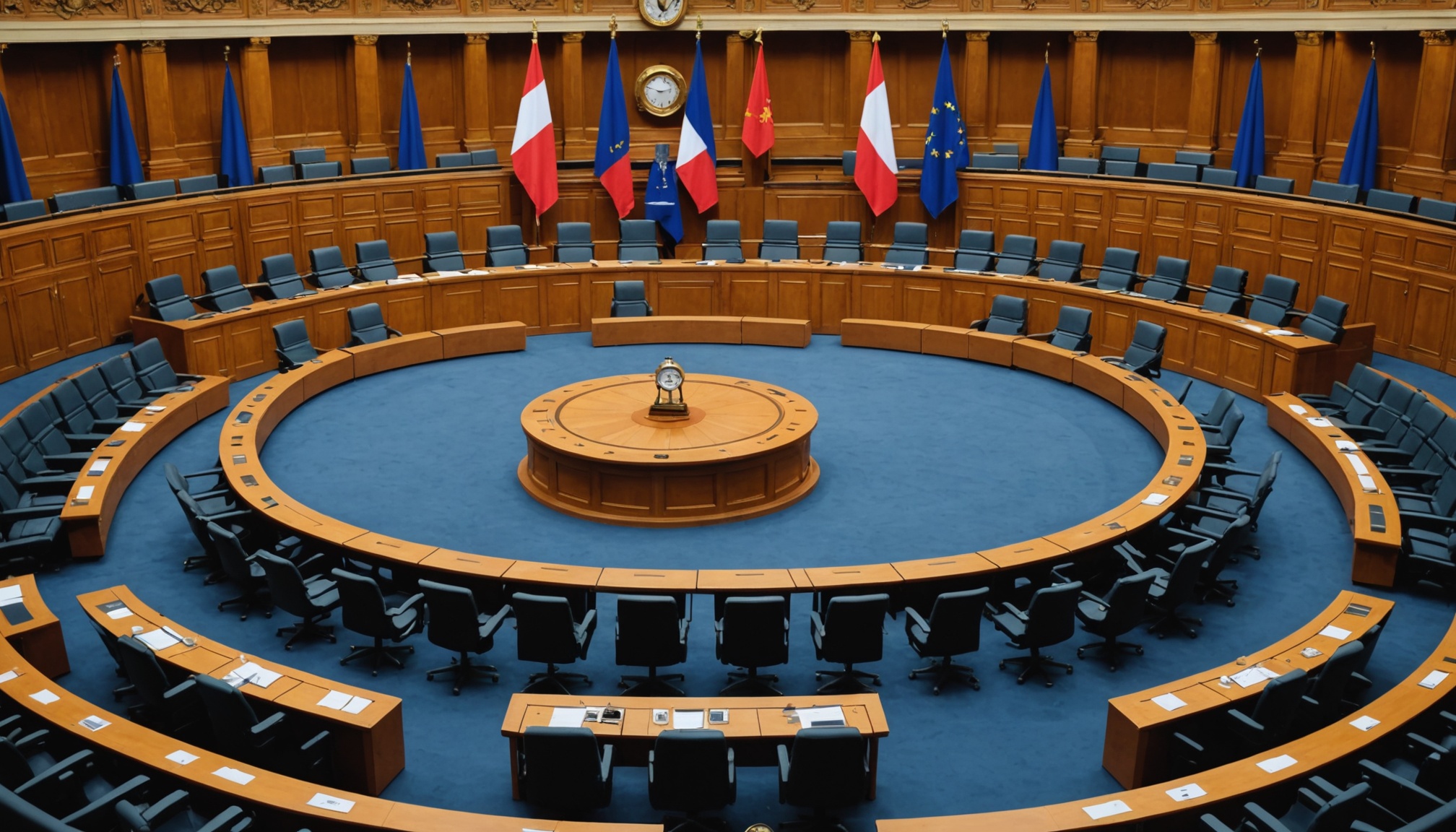
The vote on the revenue portion of France's state budget in the National Assembly, originally scheduled for October 20, was ultimately pushed back to Tuesday, November 3. The delay speaks volumes about how hard it has been, once again this year, for lawmakers to complete their review of the finance bill within the allotted time.
Why the vote was postponed
The reason lies in the pace of the debates. By midday on October 19, lawmakers had examined only 15 of the 58 articles in the revenue section, with more than 2,600 amendments still to be discussed. Faced with this delay, the Conference of Presidents adjusted the parliamentary schedule to give each side time to make its case, without extending the session beyond a reasonable length.
A budget calendar under pressure
The budget sequence now stretches over five weeks, running from the presentation of the finance bill to the Council of Ministers on October 1 to the vote on the bill as a whole, expected on November 17:
- October 13 to 19: first phase of review of the revenue section (188 public votes held)
- October 20 to 26: debate on the Social Security budget, rejected on October 23
- October 27 to November 2: resumption of the discussion on revenue
- November 3: formal vote on the revenue section
- November 17: vote on the budget as a whole
This tight calendar is due to a parliamentary session shorter than usual, which will end on February 28, 2027 to make way for the presidential campaign.
The trade-offs lawmakers have already settled
Even before the November 3 vote, several measures in the original bill had already been amended on the floor. Lawmakers notably scrapped the cap on the tax allowance for retirement pensions (an estimated 1.4 billion euros in savings), rejected a 2.5 billion euro levy on local governments, and dropped a planned 5-point cut to the local VAT reimbursement rate. Conversely, they expanded other provisions, such as doubling the exemption ceiling for overtime pay and strengthening the investment tax credit for small and midsize businesses. This work builds on efforts already underway on the reform of lawmakers' right to amend bills, intended to streamline the review of finance legislation.
What this delay actually changes
Beyond the calendar, it's the financial equation that most worries the government. The Minister of Public Accounts has warned of a roughly 10 billion euro deterioration in the public deficit over the course of the debates, including 6 billion euros lost in a single session. These trade-offs come as the government had announced a target of 54 billion euros in savings for 2027. Without an absolute majority in the National Assembly, a standard vote remains uncertain: several scenarios are being floated to secure final passage, ranging from invoking Article 49.3 to a possible special law if no text were adopted before the end of the year. For households and the public services that depend on these decisions, every week of delay prolongs uncertainty over which measures will ultimately apply in 2027, whether on taxation, the economy, or funding for local governments.
Frequently Asked Questions
Why was the budget vote postponed from October 20 to November 3?
Because the review of the 58 articles in the revenue section was falling too far behind schedule: only 15 articles had been voted on by mid-October, with more than 2,600 amendments still pending.
Is the 2027 budget definitively adopted after November 3?
No, this vote only covers the revenue section. The vote on the state budget as a whole is expected on November 17, before any potential back-and-forth with the Senate.
What happens if no budget is adopted before December 31?
Several constitutional mechanisms exist to avoid a deadlock, from invoking Article 49.3 to passing a special law allowing existing taxes to continue being collected while the final text is being adopted.
Sources
- NosParlementaires.fr — detailed calendar of the 2027 budget
- Journal du Net — postponement of the fiscal vote to November 3
- Toute l'Europe — the measures of the 2027 budget
This article was written with the help of artificial intelligence. Editorial policy