In Reims as well as in the Île-de-France region, a quiet but persistent movement is shifting the boundaries of French fine dining: solidarity gastronomy is leaving wealthy neighborhoods behind to settle in the heart of working-class communities. Pay-what-you-can meals, crowdfunding, and mentorship for young talent: several recent initiatives show that a different kind of access to fine cuisine is possible, without compromising on quality.
A Late 19th-Century Dinner at the Foot of Housing Projects
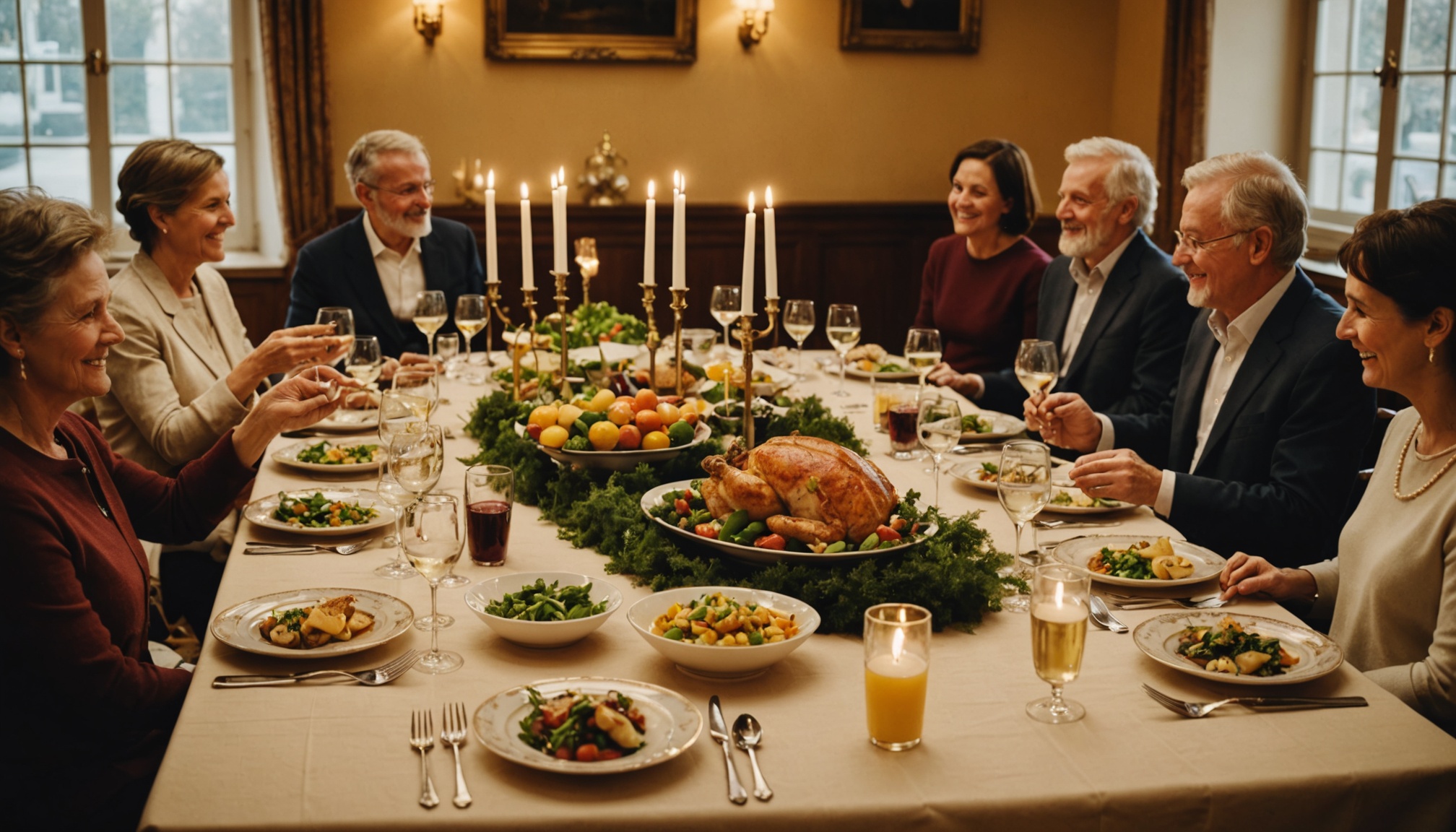
The most emblematic project is called “Rue du Goût Perdu” (Street of Lost Taste). For a little over a year, two young chefs have been organizing gourmet dinners in working-class neighborhoods, alternating between catering services and solidarity restaurant events. Their latest gathering, funded through a 5,000-euro participatory budget backed by the city hall, brought together 80 guests around a menu inspired by late 19th-century French cuisine.
Throughout the meal, residents shared their own culinary memories: family tagines, Sunday lentils, fish soup, or the smell of coffee brewing in the morning. The idea isn't just to feed people, but to bring fine cuisine and popular memory together at the same table.
A Movement That Goes Beyond a Single Neighborhood
This momentum isn't an isolated case. In Nanterre, in the Pablo Picasso housing project, a fine-dining restaurant opened with the same ambition: offering demanding, high-quality cuisine in an area where it remains rare, even providing festive meals to those most in need. On another front, the professional world of culinary mentorship is also moving forward: the Trophée Mille, an international competition created by chef Philippe Mille, will bring together 44 young trainees in Reims on November 23, around the culinary arts-pastry and service-sommellerie professions.
These initiatives share a common observation: French gastronomy, often associated with luxury hotels and Michelin-starred restaurants, is also seeking to become a shared common good once again — passed down and shared — rather than a social marker reserved for a select few.
- Solidarity dinners funded by municipal participatory budgets
- Fine-dining restaurants opening directly in working-class neighborhoods
- Competitions like the Trophée Mille that train the new generation of chefs
- A common thread: putting memory and taste back at the center of the meal
For the residents involved, this type of project concretely changes their relationship with gastronomy: it is no longer a spectacle watched from afar, but a lived experience, where everyone also becomes the narrator of their own culinary heritage. For local governments, it's also a low-cost tool for building social bonds, one that relies on the commitment of young chefs rather than heavy investment.
One question remains open: will these initiatives, still carried out by associations or isolated young teams, remain one-off events, or will they become lasting fixtures? The decision by the city hall in question on whether to renew its financial support in the coming months will, in that sense, be a signal worth watching for other local governments engaged in public service projects.
Frequently Asked Questions
What Is Solidarity Gastronomy?
It's an approach that involves offering fine dining, usually reserved for a wealthy clientele, in working-class neighborhoods or to people in difficult circumstances, often at pay-what-you-can or heavily reduced prices thanks to public or nonprofit funding.
How Is a Project Like “Rue du Goût Perdu” Funded?
The team's most recent dinner was funded through a 5,000-euro participatory budget granted by the city hall, a program that allows residents to propose and vote on local projects.
Is Accessible Gastronomy in Working-Class Neighborhoods an Isolated Movement?
No: several distinct initiatives are moving in the same direction, whether it's the opening of a fine-dining restaurant in Nanterre or training competitions like the Trophée Mille, which prepares young talent from all backgrounds for careers in cooking and service. This renewed relationship with food consumption is also reflected in evolving dining-out habits, a topic covered in the site's lifestyle section.
Sources
- France 24 — “Rue du Goût Perdu”: Gastronomy for Everyone
- Bondy Blog — In Nanterre, a Fine-Dining Restaurant at the Heart of the Pablo Picasso Housing Project
- Les Nouvelles Gastronomiques — Trophée Mille 2026: 44 Young Talents Compete in Reims
This article was written with the help of artificial intelligence. Editorial policy