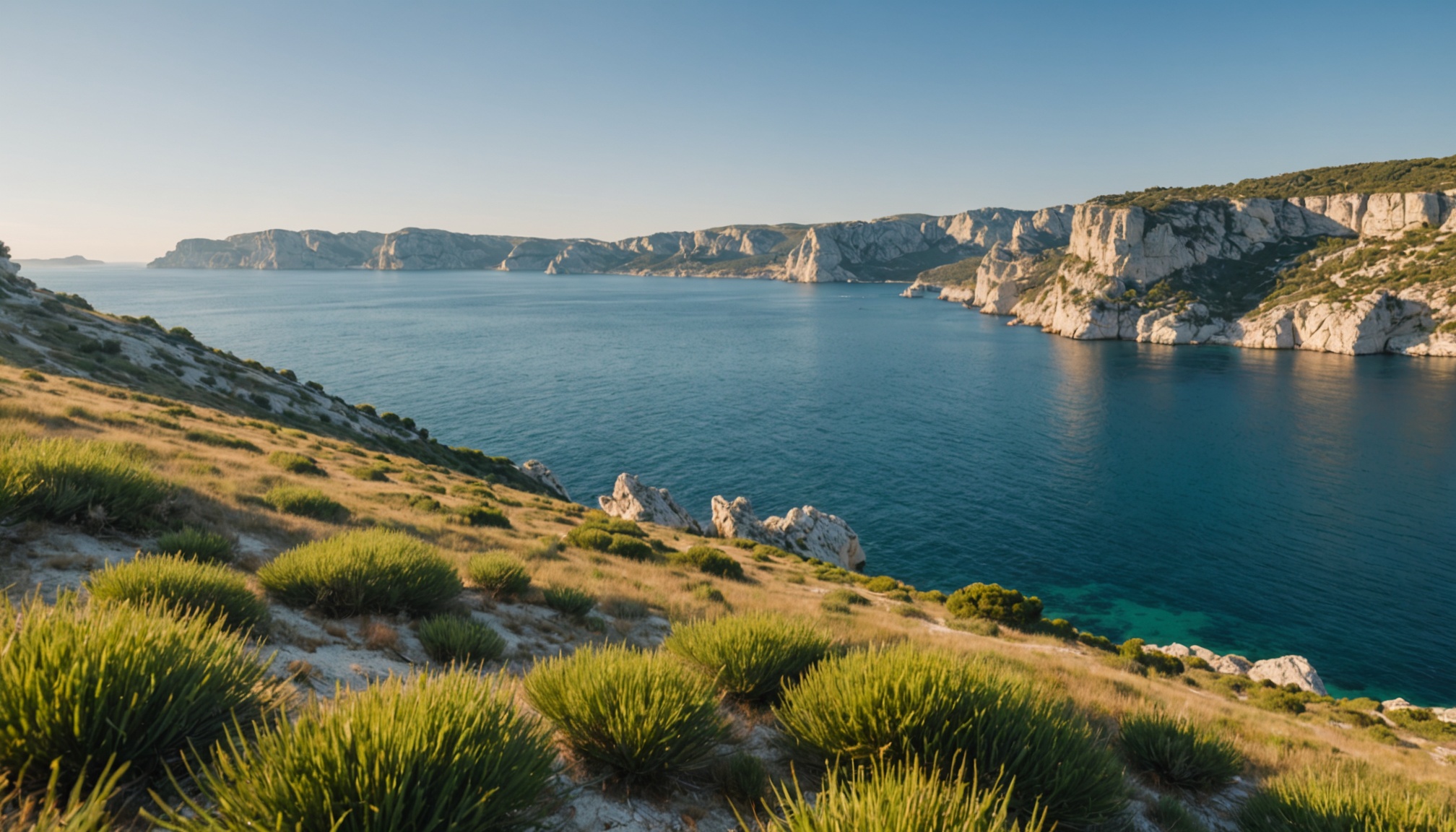
On October 5, 2026, Marseille was officially named France's biodiversity capital for 2026, at the end of a national competition pitting it against 70 municipalities and intermunicipal authorities. Beyond the symbolism, the title highlights a broader trend: that of a country seeking, project after project, to restore degraded natural habitats rather than simply protect them.
An Award That Recognizes Six Years of Strategy
Organized by the Ministry of Ecological Transition and the French Office for Biodiversity (l'Office français de la biodiversité, OFB), the competition was celebrating its 15th edition, themed around nature restoration. The judges, who visited the city in May 2026, recognized a municipal strategy built over six years and organized around three priorities: restoring ecological corridors, raising residents' awareness, and deepening scientific knowledge of local species.
Marseille's application listed 32 concrete actions and ten flagship projects spanning marine, river, and forest environments. The city draws on an especially large territory: 57 kilometers of coastline, four forest massifs, a national park, and 10,000 hectares of protected areas. Among the achievements cited by the judges were the protection plan for Posidonia seagrass beds, the installation of artificial reefs at Prado, and restoration work along the banks of the Huveaune River and in the Frioul archipelago.
Mission Nature, the National Funding Relay
This local success is part of a national movement driven by Mission Nature, the biodiversity restoration funding program backed by dedicated lottery games from FDJ United. The fourth edition, whose winners were announced in early October, selected 28 new projects out of 128 applications submitted, spread across the entire country, including mainland France and its overseas territories.
- More than €9 million raised for this 2026 edition alone
- 92 projects supported in total since the program was created in 2023
- More than €21 million mobilized cumulatively to restore ecosystems
- Stated goals: preserving endangered species and strengthening territories' resilience to climate change
Part of the money French players wager in these special drawings is thus directly redirected to associations and local governments carrying out on-the-ground projects, following the same model that has allowed initiatives like the municipal biodiversity atlas to develop in several villages.
Why This Dual Signal Matters
Marseille's title and the Mission Nature winners arrive as national indicators remain worrying: a recent official report confirmed the degradation of many natural habitats across the country. In this context, locally funded restoration projects are not enough on their own to reverse the trend, but they complement the national restoration plan submitted to Brussels by France.
For residents, these announcements translate into concrete new projects on the ground: replanted riverbanks, reefs installed at sea, or restored seagrass beds. Practical ways to get involved locally are regularly listed in our tips on civic engagement, while our planet news continues to track the progress of these projects across France.
Frequently Asked Questions
What is the title of France's biodiversity capital?
It is a national competition held for fifteen editions by the Ministry of Ecological Transition and the French Office for Biodiversity (OFB), which each year recognizes the municipality or intermunicipal authority most committed to protecting nature.
How does Mission Nature fund restoration projects?
The program relies on scratch games and special drawings from FDJ United: part of the money wagered is paid to the French Office for Biodiversity (OFB) to fund restoration projects selected through a call for proposals.
Is Marseille the first major city to receive this title?
Over its previous editions, the competition has mainly recognized municipalities of varying sizes; the selection of Marseille, France's second-largest city, illustrates the ability of a major metropolis to carry out a large-scale restoration strategy.
Sources
This article was written with the help of artificial intelligence. Editorial policy