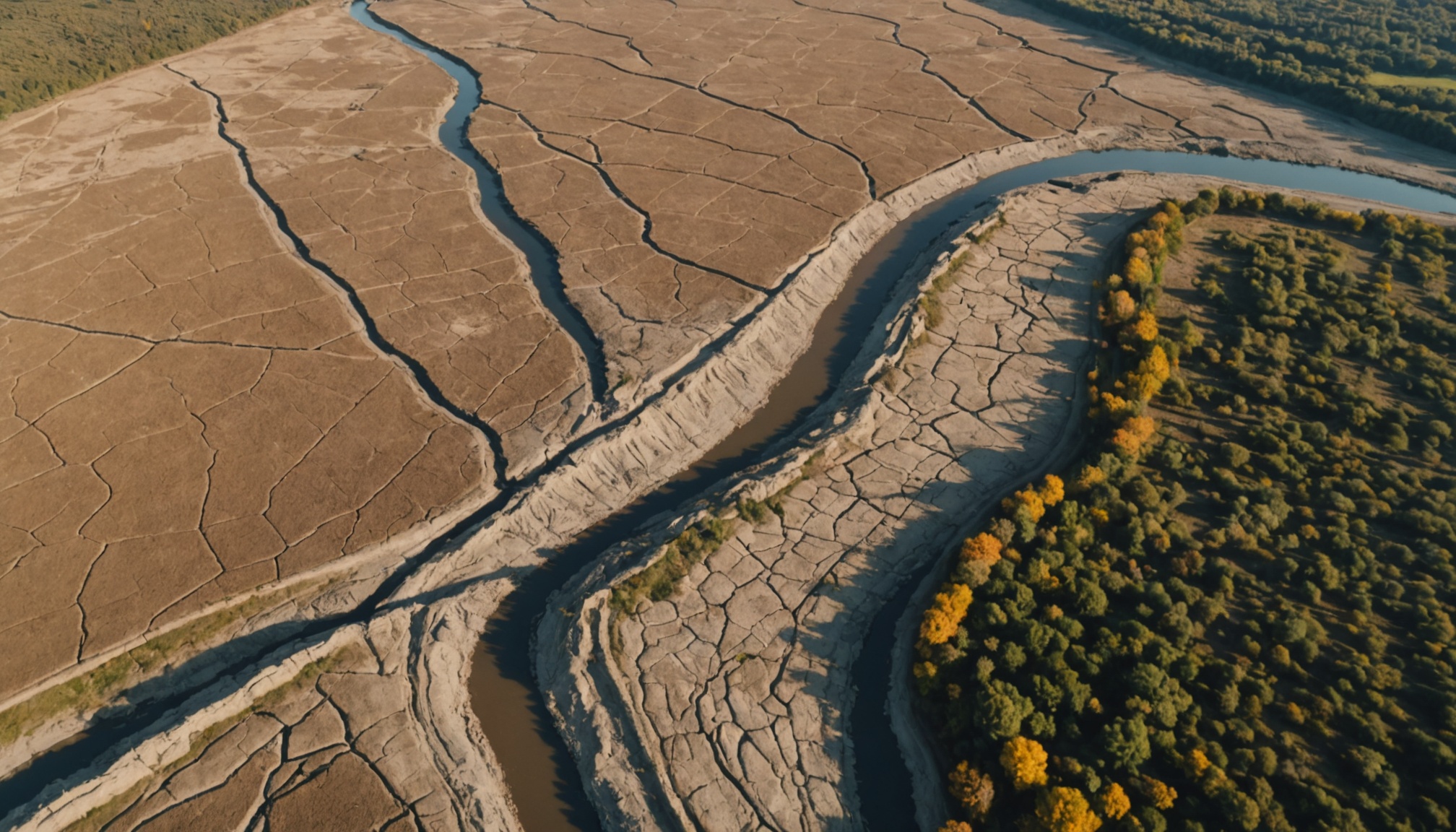
October's rains weren't enough to reverse the trend. In its bulletin published on November 9, France's Bureau of Geological and Mining Research (BRGM) described the situation of French groundwater as “very concerning,” with a large majority of monitoring points still below seasonal norms.
64% of Groundwater Below Normal as of November 1
According to the BRGM, 64% of observation points showed levels below monthly norms as of November 1, 2026. The recharge of underground reserves, which should normally begin at this time of year, is only being observed at 27% of monitored points, while 55% of them continue to see their levels decline. A striking point of comparison: on the same date last year, only 32% of groundwater levels were below normal—half as many as today.
The Hardest-Hit Regions
The bulletin identifies levels described as “very low” for several major underground reservoirs: the Brittany bedrock, the Limousin region, the Champagne chalk, the Jura limestone, the Vosges sandstone, and the Triassic limestone of Lorraine. This regional map echoes Météo-France's unprecedented summer climate report, which had already highlighted a marked precipitation deficit across much of the country.
What Are the Concrete Consequences?
- Water use restrictions that could be extended locally if winter recharge remains insufficient.
- Heightened vigilance over agricultural irrigation next spring, in a context where the 2026 wheat harvest report already shows how sensitive crops are to climate variability.
- An increased risk of competing-use conflicts between drinking water, agriculture, and natural habitats in the most deficient areas.
Rain Expected, but No Certainty
Météo-France anticipates a higher-than-normal probability of precipitation between November 2026 and January 2027 across the northern three-quarters of the country, with no clear scenario for the southeast. Any improvement in groundwater levels will therefore depend directly on the volume of this upcoming rainfall, as well as on its distribution and its ability to soak into the ground rather than simply run off. This situation fits into an already documented long-term trend: climate change is permanently altering the distribution of rainfall across France.
Frequently Asked Questions
What Percentage of Groundwater Is Below Normal in November 2026?
According to the BRGM, 64% of monitoring points showed levels below monthly norms as of November 1, 2026, compared with 32% a year earlier.
Which French Regions Are Hardest Hit by This Shortfall?
Brittany (its bedrock aquifer), Limousin, the chalky Champagne region, the Jura, the Vosges, and Lorraine show the lowest levels according to the BRGM bulletin.
Could the Situation Still Improve This Winter?
Yes, Météo-France forecasts above-normal precipitation across northern France between November and January, but there is no certainty about how effective it will be at recharging groundwater, particularly in the southeast.
Sources
- Quartz France — The BRGM Deems the Groundwater Situation Very Concerning
- Météo Consult — Groundwater: 64% Below Normal as of November 1
- Regards protestants — Drought: Groundwater Still Very Low Despite the Rain
This article was written with the help of artificial intelligence. Editorial policy