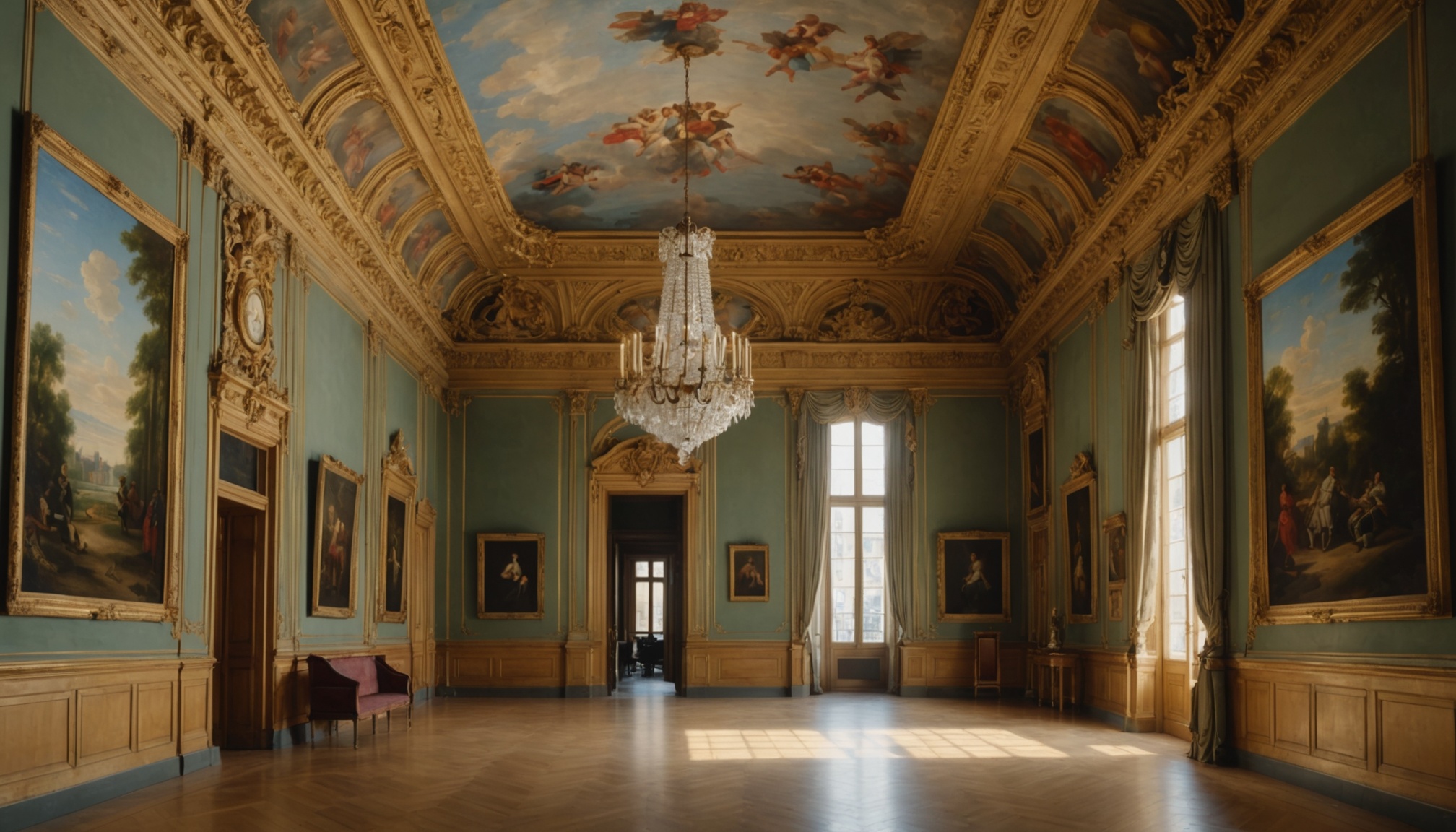
This fall, three masters of Western painting share top billing at Paris's museums. The Grand Palais is devoting a retrospective to Paul Cézanne, the Musée de l'Orangerie is celebrating the centenary of Claude Monet, and the Musée Jacquemart-André is reviving Tintoretto. This rare convergence is not merely a scheduling coincidence, but a sign of a deliberate strategy on the part of French cultural institutions.
Three Masters, Three Temples of Parisian Art
From September 23, 2026 through January 17, 2027, the Grand Palais presents “Cezanne and Us”, an exhibition organized with the Centre Pompidou, the Musée d'Orsay, and the Musée de l'Orangerie. Nearly 180 works, including 70 by Cézanne himself, trace the influence of the painter from Aix-en-Provence over a century and a half of art-making, from Cubism to contemporary art.
At the same time, the Musée de l'Orangerie opens “Monet, Painting Time” on September 30, marking the centenary of the painter's death in 1926. The exhibition, on view through January 25, 2027, is built around his great series — cathedrals, haystacks, poplars, and the final water lilies — to show how Monet made the passage of time the very subject of his painting.
The Musée Jacquemart-André rounds out this trio starting September 11 with “Eternal Tintoretto”, devoted to the Venetian Renaissance master, running through January 24, 2027. Meanwhile, the Philharmonie de Paris is broadening the very definition of a museum exhibition by dedicating a program to video game music, proof that institutions are also seeking to reach younger audiences.
Why Such a Concentration of Retrospectives
This flood of big names is no scheduling accident. It reflects an economic logic: blockbuster exhibitions draw international crowds and secure a significant share of these institutions' annual revenue. It also relies on anniversaries that provide a solid editorial pretext, such as Monet's centenary, and on partnerships between institutions that make it possible to pool loans of works that would otherwise be out of reach.
This movement is also part of a broader trend toward promoting cultural heritage in France. This year's European Heritage Days, on September 19 and 20, will spotlight photography to mark the bicentennial of Nicéphore Niépce's invention, offering free access to numerous sites that will extend the momentum of this cultural season. And this surge of activity comes at a cost: lending priceless canvases requires reinforced security measures, as underscored by the recent security plan for French museums, backed by tens of millions of euros.
A Matter of Funding as Much as Prestige
Behind the prestige, these exhibitions also reflect a budgetary necessity. As shown by the initiative that saw France's largest museum enlist private partners to restore its holdings, Paris's major institutions also need to diversify their funding sources. A successful retrospective helps finance restoration work, acquisitions, and cultural outreach programs for years to come.
Practical Tips for Visiting Without the Wait
- Book your time slot online as soon as tickets go on sale, several weeks ahead for Cézanne and Monet.
- Favor a weekday visit, early in the morning or during evening hours when available.
- Plan at least two hours per exhibition to take in the dense array of works on display.
- Combine several nearby museums (the Orangerie and Jacquemart-André are less than 20 minutes apart on foot) for a full day of culture.
To extend the experience, a few practical tips can also help you plan a weekend in Paris around these exhibitions, while the site's lifestyle section offers additional ideas for outings in the capital.
Frequently Asked Questions
Do I need to book in advance to see these exhibitions?
Yes, booking online is strongly recommended for all three exhibitions, especially Cézanne and Monet, which are expected to draw very large crowds from the very first weeks.
Are these exhibitions included with a museum pass?
Some temporary exhibitions require a separate ticket in addition to access to the permanent collections; it's best to check the conditions on each museum's website before heading there.
Until when can I see these three exhibitions?
All three retrospectives run through mid- to late January 2027, leaving several months to plan your visit without rushing.
Sources
- Grand Palais — Cezanne and Us
- Musée de l'Orangerie — Claude Monet Centenary
- French Ministry of National Education — European Heritage Days 2026
This article was written with the help of artificial intelligence. Editorial policy