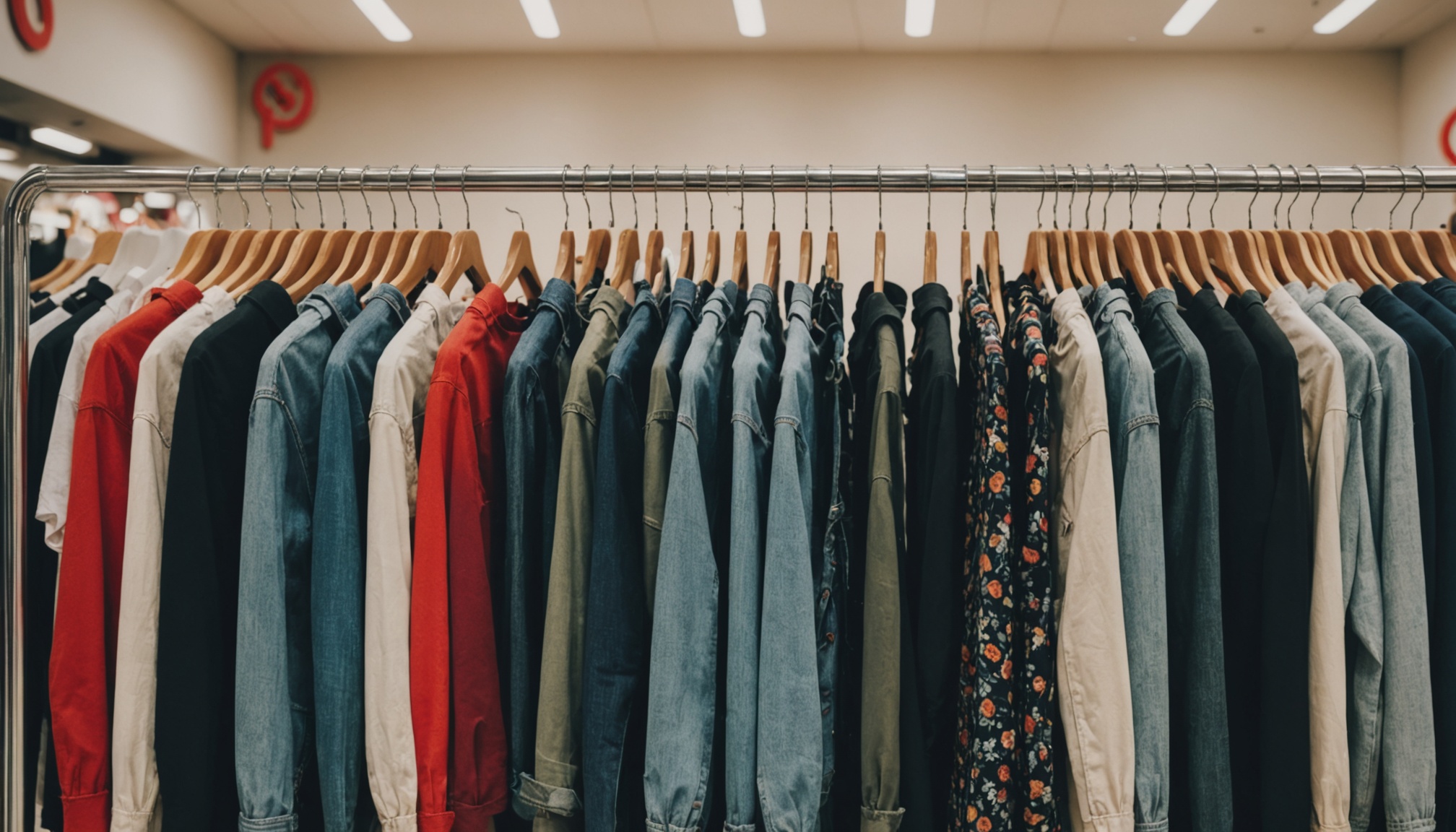
Since September 1, 2026, an ultra-fast-fashion penalty has applied in France to certain inexpensive garments. This measure, provided for by the law aimed at reducing the environmental impact of the textile industry, specifically targets brands that flood the market with extremely low-cost, short-lived items. In practical terms, it translates into a few extra euros on the price tag — an amount that will rise every year through 2030.
A Penalty That Varies by Type of Garment
The amount of the penalty depends on the product category. For 2026-2027, the following scale applies:
- €0.50 for certain undergarments
- €2 for a T-shirt
- €6 for a shirt
- €9 for a pair of jeans
- Up to €12 for a jacket or coat
In all cases, the penalty cannot exceed 50% of the product's sale price, with a cap set at €12 in 2026. This cap is then set to rise gradually, reaching €19.50 per garment by 2030.
Who Is Really Affected by This Tax?
Contrary to what one might think, the penalty does not hit every low-price fashion brand. The law sets out two cumulative criteria: a particularly wide product range (thousands of new items listed online every week) and an insufficient level of repairability. It is this combination that primarily targets ultra-fast-fashion platforms, much of whose success has been built through social commerce on TikTok Shop and Instagram, rather than traditional fashion brands that refresh their collections at a more conventional pace.
Another Signal Sent to Consumers
This rollout is part of a series of measures reshaping French shopping habits this fall. It comes a few weeks after another law regulating consumer credit and buy-now-pay-later installment payments, two tools often used to multiply small online purchases. The goal stated by public authorities is clear: slightly raise the price of the least sustainable garments in order to steer part of demand toward more responsible alternatives.
Secondhand Clothing, the Big Winner of the Trend
This shift primarily benefits a sector that is already growing fast. The resale and purchase of secondhand clothing continue to gain ground against fast fashion, driven by a generation of consumers more mindful of the real cost — both environmental and financial — of their wardrobe. With this new penalty, the price gap between a brand-new ultra-fast-fashion garment and its secondhand equivalent is expected to widen further in the coming months.
Frequently Asked Questions
Does the penalty apply to all low-price fashion brands?
No. Only companies that combine a very wide product range with low product repairability are affected, which primarily targets ultra-fast-fashion players rather than the sector as a whole.
Is the penalty paid by the customer or the brand?
The contribution is owed by the company that places the product on the market. In practice, it is generally passed on, in whole or in part, to the price charged to the consumer.
Will the amount of the penalty increase further?
Yes. The cap on the penalty, set at €12 in 2026, is scheduled to rise each year, reaching €19.50 per garment by 2030, according to the timeline set out in the law.
Sources
This article was written with the help of artificial intelligence. Editorial policy